EO Sterilization Validation and Revalidation Under ISO 11135: Practical Implementation and Lifecycle Considerations
Learn the ISO 11135 requirements for EO sterilization validation and periodic revalidation — covering equipment IQ/OQ/PQ, overkill approach, sterile load V&V, BIs/PCDs, and lifecycle controls for medical devices.
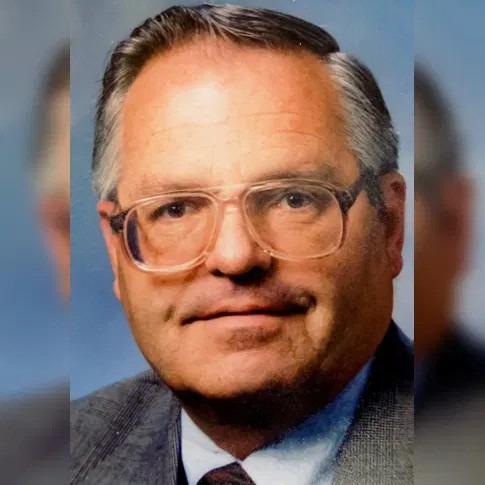
Instructor
John E. Lincoln
FDA Regulatory Affairs, Design Control & QMS Expert

What You'll Learn
About the event
About this event
Before beginning production-level EO sterilization, a product labeled sterile needs to be validated to ensure the FDA-required Sterility Assurance Level (SAL) is met. The globally harmonized standard for completing such a validation is ISO 11135:2014 — Sterilization of Health Care Products — EO Requirements for the Development, Validation and Routine Control of a Sterilization Process for Medical Devices.
EO is extensively used in the sterilization of medical devices. Its advantages are many: materials sterilized with EO are not exposed to excessive heat, moisture, or radiation. Therefore, a wide variation of materials, particularly plastic components commonly used in medical devices, can be sterilized with EO. Products can be sterilized in their final packaging (breathable), since EO will permeate the sealed films and cartons used to package the device. Ethylene oxide sterilization validation is required by regulatory agencies worldwide.
Such V&V is supported by the internationally recognized consensus standard, ISO 11135. This international standard outlines the requirement for the validation of an EO process to ensure that product processed through the validated process meets the required SAL.
WHY YOU SHOULD ATTEND
This webinar will discuss the ISO requirements for validating and periodically revalidating: 1) the EO Sterilization Equipment and System, including computerized controls and its software, and 2) the product / load itself. Ethylene oxide sterilization uses a three-part gas process that includes pre-conditioning, sterilization, and aeration. Ethylene oxide sterilization consists of four primary variables: Gas concentration; Humidity; and Temperature. EO is an alkylating agent that disrupts cellular metabolism and reproductive processes of microorganisms. EO penetrates breathable packaging, contacting all accessible surfaces of the product to deliver the required sterility assurance level (SAL) to meet US FDA requirements, as well as regulated residuals. Support systems, de-gassing, routing and storage of product to prevent mix-ups will also be discussed.
Code: MD3753
Curriculum
Requirements
- Working in medical device, pharmaceutical, or healthcare product manufacturing
- Applicable to QA, regulatory affairs, R&D, engineering, production, and operations professionals
Who Should Attend
Quality Assurance Departments, Regulatory Affairs Departments, Research and Development Departments, Engineering Departments, Production Departments, Operations Departments, and Senior Management involved in medical device sterilization programs.
Areas Covered
Meet Your Instructor
John E. Lincoln
FDA Regulatory Affairs, Design Control & QMS Expert
John E. Lincoln has over 40 years experience in U.S. FDA-regulated industries, 30 of which are as an independent consultant. John has worked with companies from start-up to Fortune 100, in the U.S., Mexico, Canada, France, Germany, Sweden, China and Taiwan. He specializes in quality assurance, regulatory affairs, QMS problem remediation and FDA responses, new/changed product 510(k)s, process/product/equipment including QMS and software validations, ISO 14971 product risk management files/reports, Design Control/Design History Files, and Technical Files. He has held positions in Manufacturing Engineering, QA, QAE, Regulatory Affairs, to the level of Director and VP (R&D). John has prior experience in military, government, electronics, and aerospace industries. He is a peer-reviewed author, teacher, and speaker, and a graduate of UCLA.
Event Details
Format
Recorded Webinar
Duration
1.5 hours
Certificate
Included
Access
Lifetime
Related Events

Digital Quality Metrics and AI/ML Analytics: Building a Continuous-Improvement Framework that Aligns with Regulatory Expectations
Learn how AI/ML and real-time digital quality metrics build a continuous-improvement framework aligned with FDA regulatory expectations, 21 CFR Part 11, and GAMP®5.
 Carolyn Troiano
AI in GMP: What the FDA Is Already Expecting - Before You Ask
FDA already expects GMP compliance for AI systems. Learn how existing validation, data integrity, and oversight rules apply—before regulators come calling.
 Dr. Ginette Collazo
HPLC Analytical Method Development and Validation
Master HPLC instrument and method validation to meet US EPA and FDA requirements for pharmaceutical analysis.
 Dr. John C. Fetzer